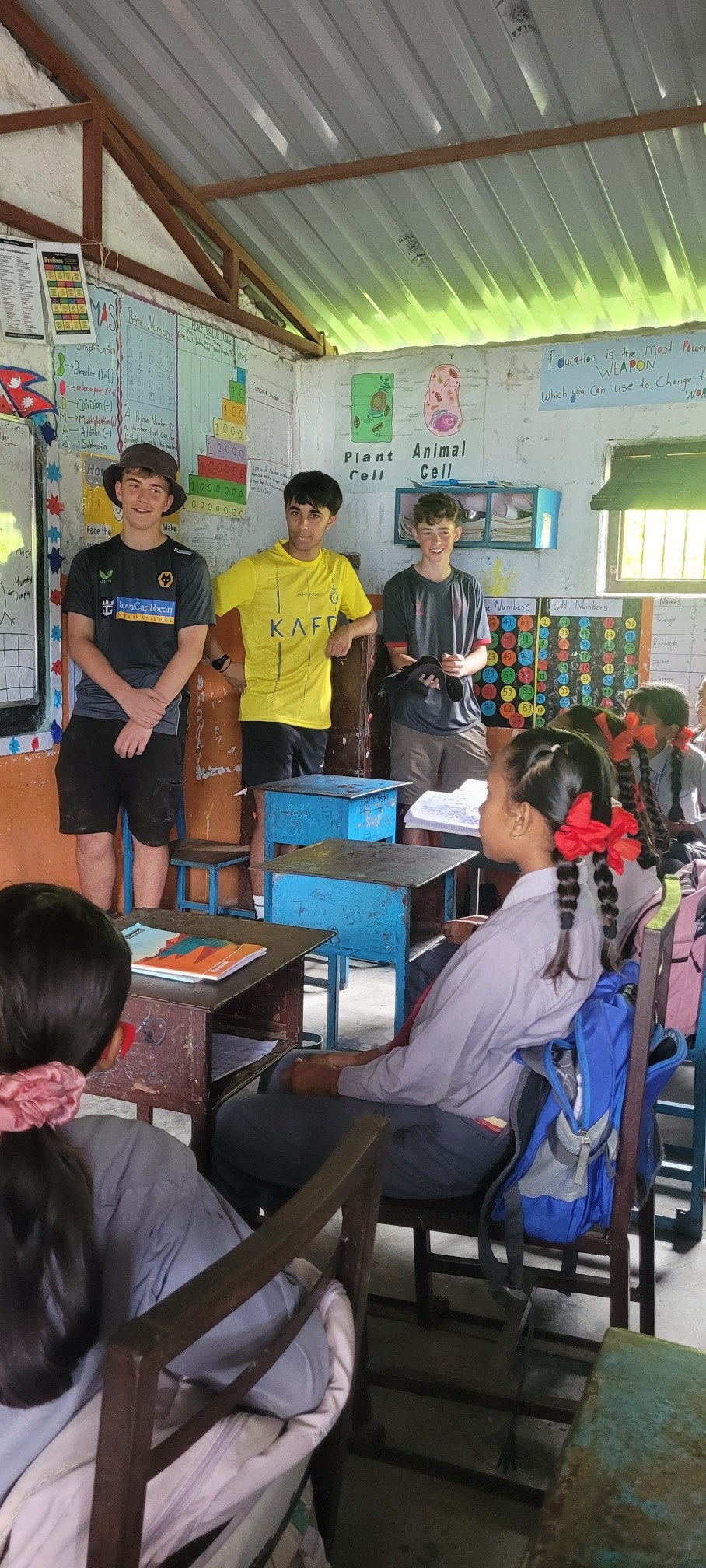

Ben is a second year Geography student at Exeter Uni, so he didn’t write his Personal Statement that long ago. Here are his top tips for approaching this essential section of your UCAS application.
Every year, September rolls around and suddenly everyone starts talking about personal statements. It can feel like there’s loads of pressure to write something life-changing or come up with a story that makes you sound like the most interesting person in the room.
The good news? That’s not actually what universities are looking for.
One of the biggest things I realised is that a personal statement isn’t about trying to impress people. It’s about showing where your academic interests come from and why you’re genuinely excited to study your chosen subject.
You don’t need to have climbed Mount Everest or started your own business. Most students haven’t. What admissions tutors really want to see is curiosity.

A good place to start isn’t by asking, “How do I make myself sound impressive?” Instead, ask yourself:
Those questions are much easier to answer, and they’ll usually lead to a much more authentic personal statement.
Before I even thought about writing, I found it helpful to build an evidence bank. Instead of staring at a blank document, I made a list of everything I’d done that linked to my course.
That could include things like:
It doesn’t need to be a huge list either. A few meaningful experiences that you’ve actually reflected on are far more valuable than ten things you’ve only mentioned because you think they sound good.
 One mistake I was warned about is writing lots of statements without backing them up.
For example: “I’m passionate about geography.” It sounds positive, but anyone can write that.
Compare it to something like: “Seeing and reading about the environmental pressures facing coastal communities in Zanzibar made me interested in how economic development and sustainability can sometimes compete with one another.”
The second example actually shows where that interest comes from.
You’re giving evidence instead of simply making a claim.
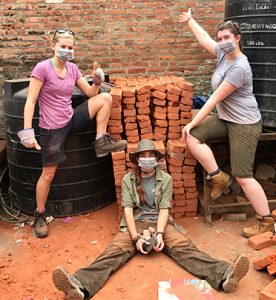
Let’s say you went on a school expedition to Nepal through Global Action. Simply writing that you visited Nepal doesn’t tell the university very much. Instead, think about what you learnt.
For example: “A trip to Nepal through Global Action challenged my assumptions about sustainable development. Seeing post-earthquake reconstruction first-hand made me think more critically about the balance between rebuilding communities and protecting local environments.”
Now the experience becomes much more than just travel. It becomes an academic discussion. That’s exactly what universities are interested in.
The same idea applies to any experience. Work experience isn’t just about saying where you went. Volunteering isn’t just about listing responsibilities. A book isn’t just something you finished. The important question is always: What did I learn, and how has it changed the way I think about my subject?
Global experiences can be especially useful because they naturally develop skills like independence, teamwork, cultural awareness and adaptability. But those skills only come across if you explain how the experience shaped your thinking.
The same goes for everything you do beyond the classroom. Reading academic books, listening to podcasts, attending webinars or completing online courses all show that you’re already engaging with your subject because you’re interested, not because you have to. That’s the kind of curiosity universities love to see.
 Finally, don’t expect your first draft to be brilliant. Mine certainly wasn’t.
The first version is simply about getting ideas onto the page. Once you’ve done that, you can reflect, edit and improve. Every draft should make your ideas a little clearer and your examples a little stronger.
At the end of the day, a strong personal statement doesn’t need to shout about how amazing you are. It quietly shows that you’re curious, reflective and genuinely ready to study your subject at university.
And in my opinion, that’s far more convincing than trying to sound impressive.
Get writing, be authentic, and good luck!
Welcome back to a new school year 😊 At a time where our role as global citizens is more important…
Global Action Ltd. Lumley House, 56 Elliott Rd, Cirencester, Gloucestershire GL7 1YS