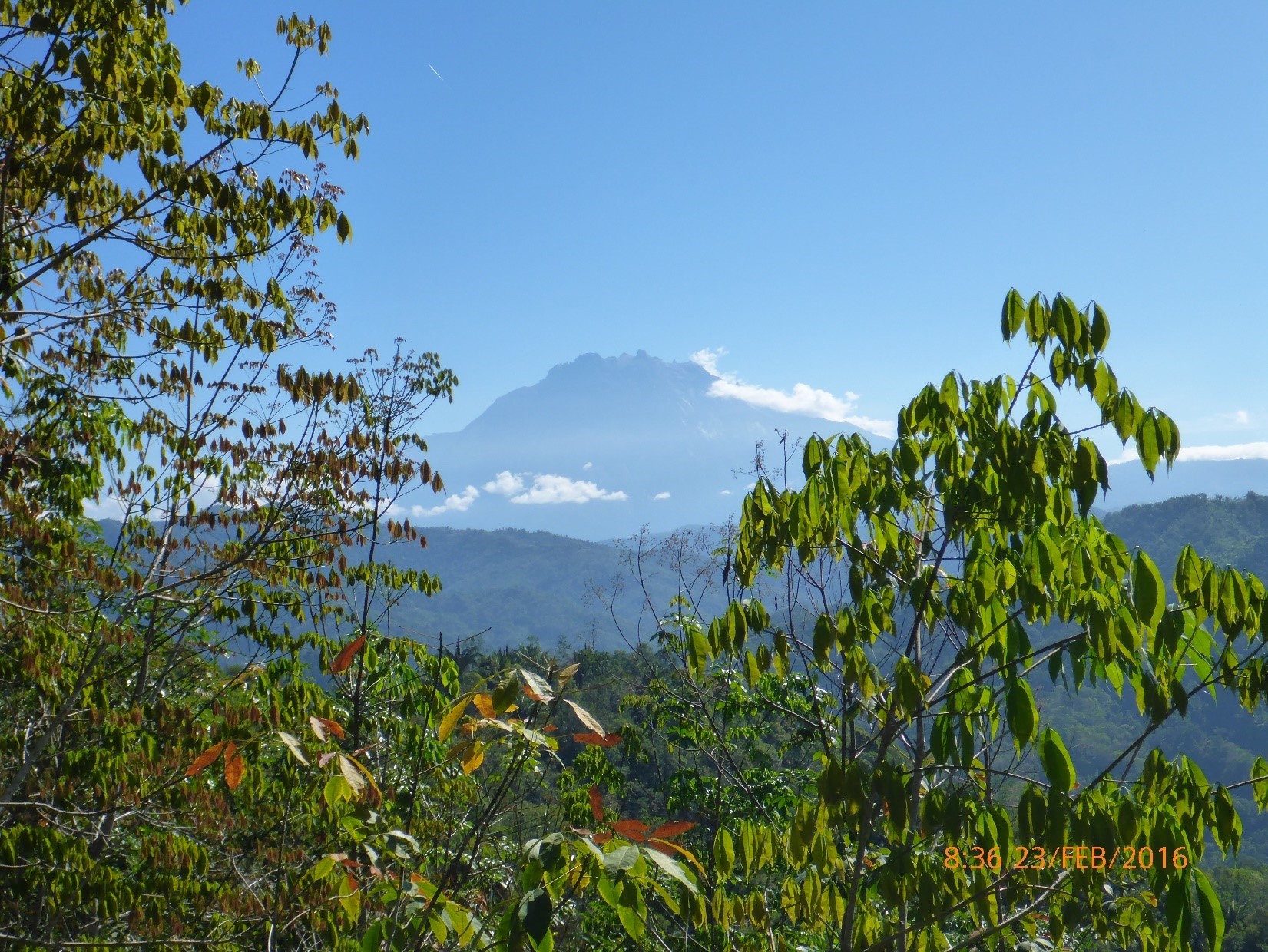
After two busy years helping deliver Nepal trips for 17 school groups, I was preparing for four more this October. Then August’s floods brought additional challenges. We consulted official Nepalese government sources, commissioned independent audits and spoke daily with our in-country partners, assessing conditions and developing contingency plans. That work gave us confidence that our groups could travel safely, with adjustments if needed to preserve the learning experiences at the heart of their trips.
A week before our final group departed, I was asked to join a group, replacing a teacher who could no longer travel. For the first time, I would experience a programme I had planned alongside the students themselves. It was an opportunity I was excited to take.
At the airport, our local partner greeted us with traditional marigold garlands. We arrived amid celebrations for Dashain, Nepal’s grandest festival, bringing families and communities together and celebrating the autumn harvest. That emphasis on community bonds would become a fitting theme for our journey, from the welcome we received to the friendships formed along the way.
Our hosts took us to our hotel in Thamel, Kathmandu’s bustling tourist district, where we settled in, explored and enjoyed a homecooked meal. One student was celebrating his birthday, and the partner had arranged gifts and a cake—a thoughtful introduction to the hospitality we would experience throughout Nepal.
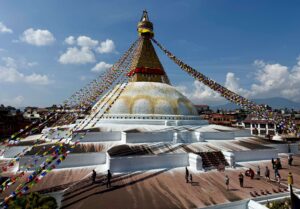 Our exploration of Kathmandu took us through narrow streets and markets to historic Durbar Square, where our guide brought Nepal’s cultural heritage to life. At Boudhanath, we learnt about the stupa’s significance to Buddhists before enjoying lunch overlooking it.
Later, at Kopan Monastery, a lama introduced us to Buddhist philosophy, kindness and compassion. A guided meditation offered a quiet opportunity to reflect after the energy of the city.
The following day, we travelled to Pokhara by private bus. We were briefed the evening before, confirming that the road was open and safe to travel. Like the other vehicles used on our programme, our transport had been audited by Global Action. Winding through hills and alongside rushing rivers, we caught our first views of the Himalayas.
In Pokhara, our trekking guide, Nirajan, prepared us for the four-day trek ahead. We began in bright sunshine, walking past farms and villages, sharing riddles and games before tackling the long stone staircase towards Ulleri.
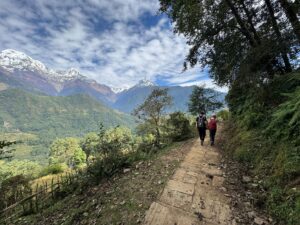
Our first teahouse belonged to Kamala, a local Nepali woman whose welcome, hot tea and warm fire were much appreciated. Hearing about her experience as a woman running a teahouse added another dimension to our stay: these overnight stops were also opportunities to learn about the people whose livelihoods are connected to the trekking industry.
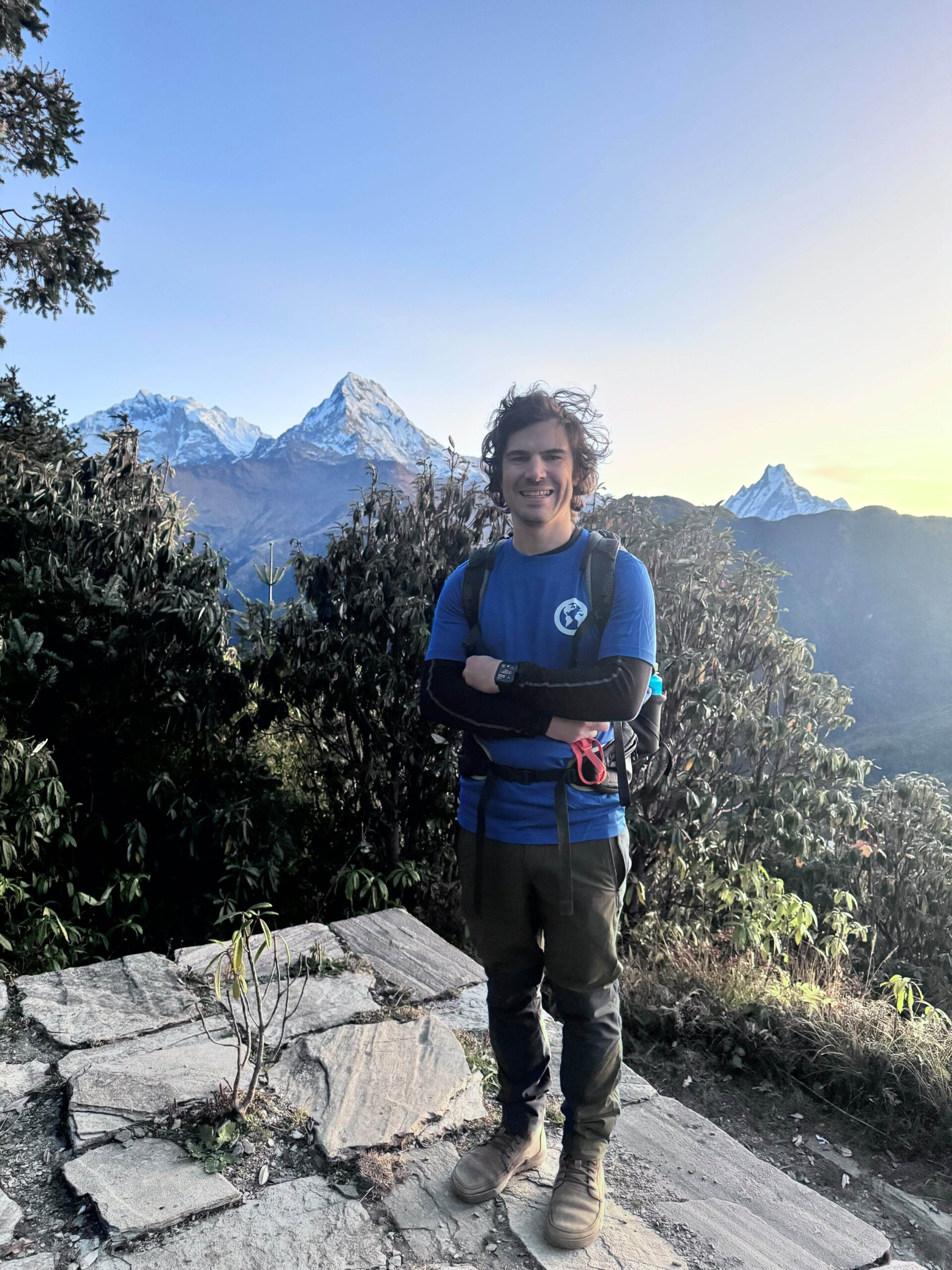
The next day brought us to Ghorepani. Before dawn the following morning, we set off for Poon Hill, 3,210 metres above sea level. Watching the sun rise over the Himalayas was an unforgettable highlight. After photographs and time to take it all in, we returned for pancakes, Tibetan bread, eggs and plenty of tea.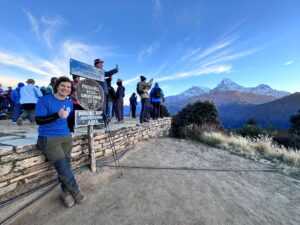
Clear weather stayed with us as we descended over the next two days. Our guides encouraged us throughout, keeping safety central while helping everyone enjoy the challenge.
Back in Pokhara, a visit to the World Peace Pagoda offered time for quiet reflection. At the Gurkha Welfare Trust, we then learnt how the organisation supports Gurkha veterans and their communities. These encounters are central to Global Action trips, giving students direct insight into global issues and the people working to address them.
 Our next base was a Tibetan community, which hosted us during a three-day school water project. The students’ trip fees funded the whole project, while our practical contribution was to dig foundations for a water tank.
At the school, we were welcomed with ceremonial scarves before getting to work. Rocks, concrete and a stubborn tree stump made the digging demanding. We rotated between working on the foundations and spending time with local students, who showed us their school and shared their ambitions to become doctors, engineers, pilots and teachers. Games of football, volleyball and cricket brought everyone together, with plenty of friendly—and sometimes competitive—rivalry!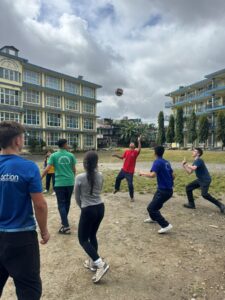
Those conversations and games gave the project its meaning. Improving access to clean water was connected to the daily lives and futures of the young people our students were getting to know.
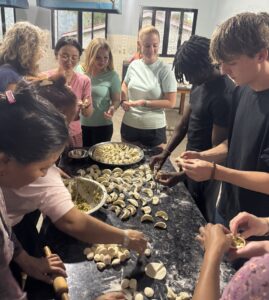
Our Tibetan hosts also shared their history and the challenges they faced, including uncertainty about returning to Tibet. Hearing these experiences firsthand deepened my own understanding and gave students much to reflect on. Alongside those conversations came generous meals, momo-making and traditional dancing.
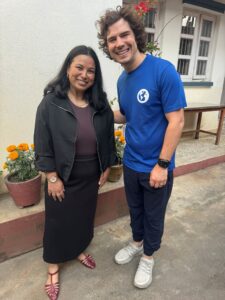 After three days of digging and approximately 20 tonnes of earth removed, we said goodbye to our new friends and returned to Kathmandu. Our final visit was to Sungabha, where we made handicrafts and learnt about its work supporting marginalised women and women with disabilities. A traditional dal bhat meal rounded off our journey.
Looking back, what stays with me is how much the people added to every place we visited. Experiencing the programme alongside students showed me how conversations, shared work and small acts of kindness can bring learning to life.
Having also been in Nepal during the 2015 earthquake, I have seen its people face extraordinary challenges. This trip renewed my admiration for their resilience. Our journey ran smoothly, supported by careful preparation and local expertise, while reminding me how important responsibly managed tourism is to guides, teahouse owners, hosts and other local businesses.
Nepal offers remarkable variety: trekking, school community projects, jungle safaris and monastery stays. At the heart of our programmes are opportunities to learn from NGOs, charities and local communities.
For me, that is why Nepal is such a compelling destination for young people. The mountains are extraordinary, but the opportunity to listen, question and understand lives beyond their own is just as valuable. My hope is that students return with wonderful memories—and greater curiosity, compassion and awareness of their responsibilities as global citizens.
In Summer 2019 two groups of 18 students from Malmesbury left for India, We had some understanding of what we…
Global Action Ltd. Lumley House, 56 Elliott Rd, Cirencester, Gloucestershire GL7 1YS

